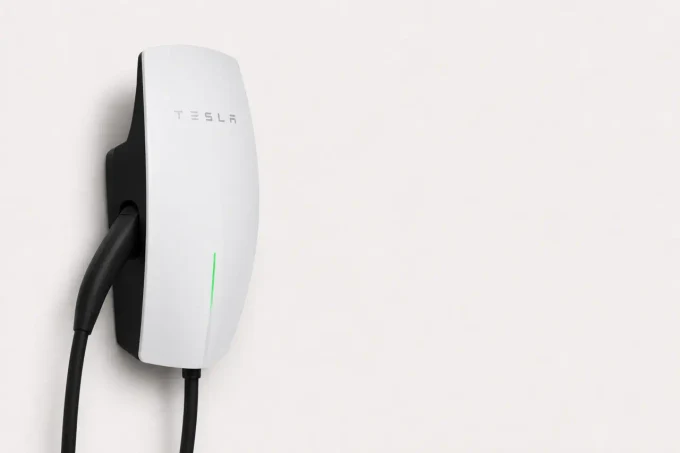
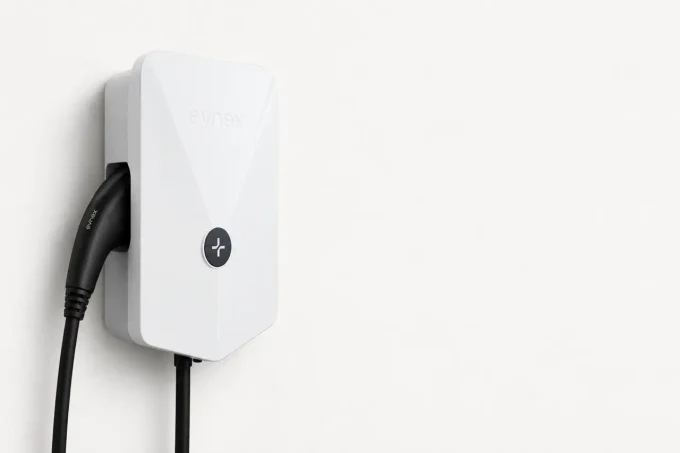
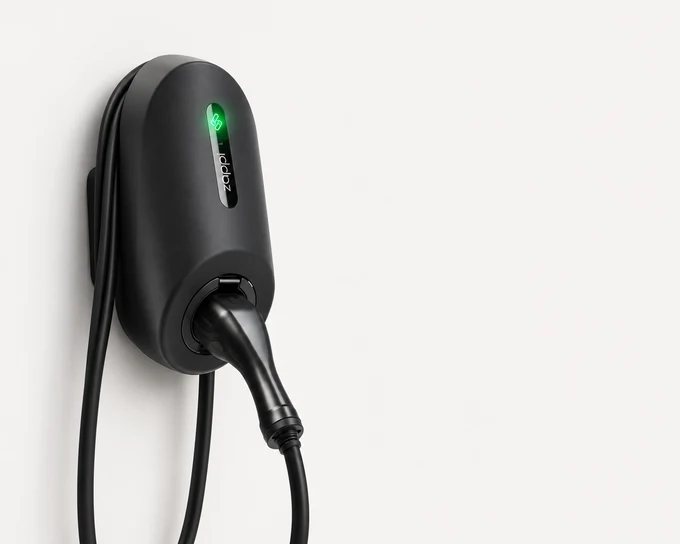
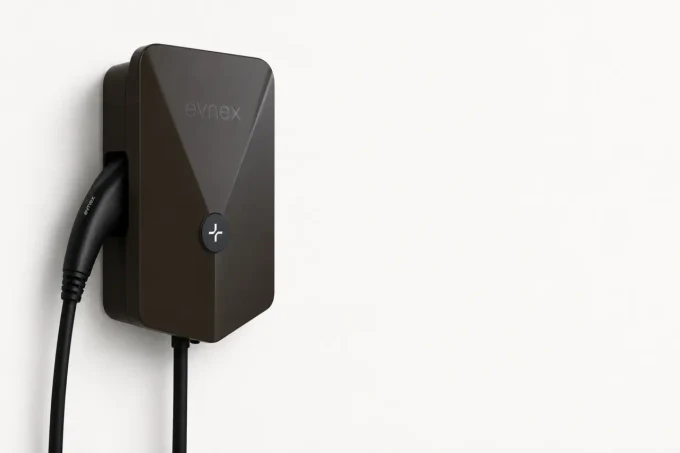
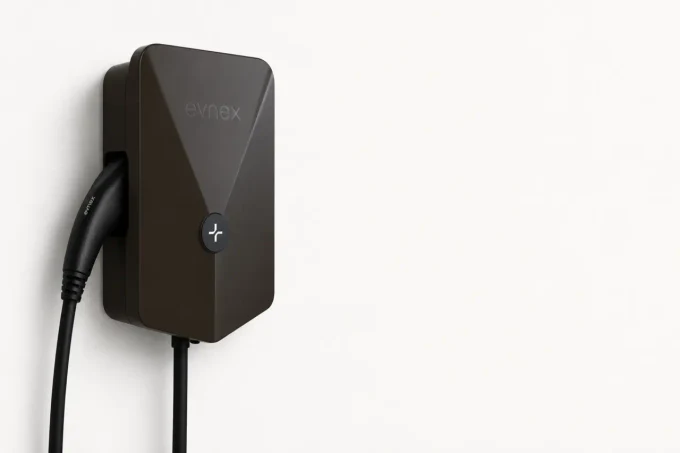
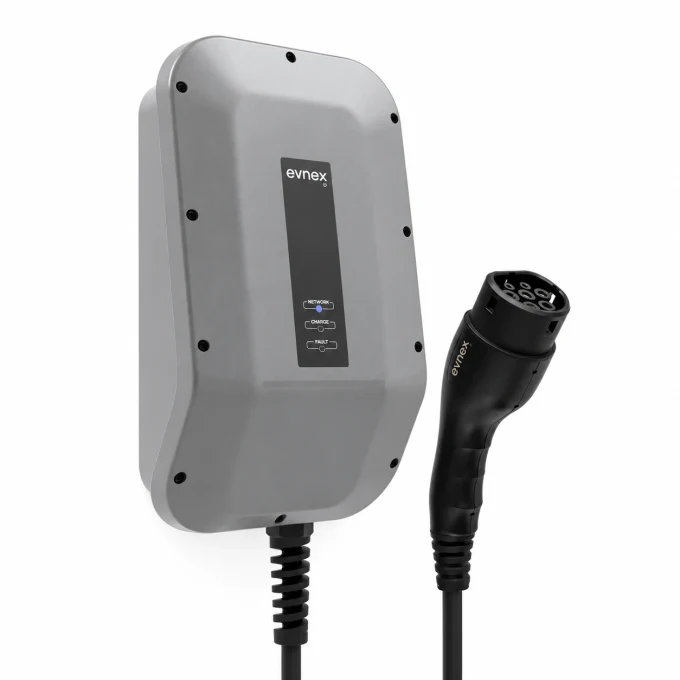
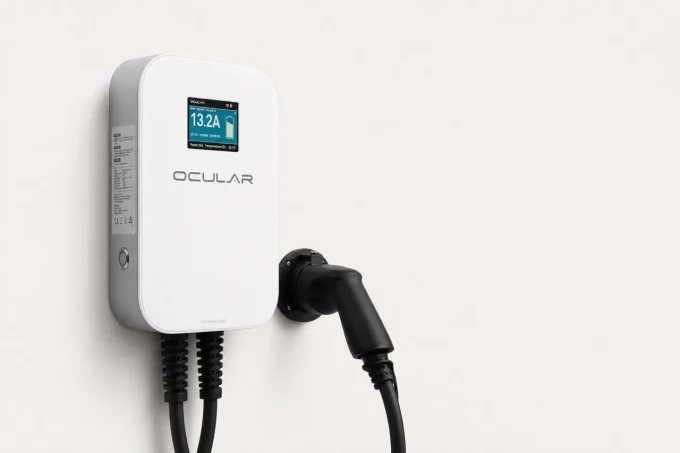
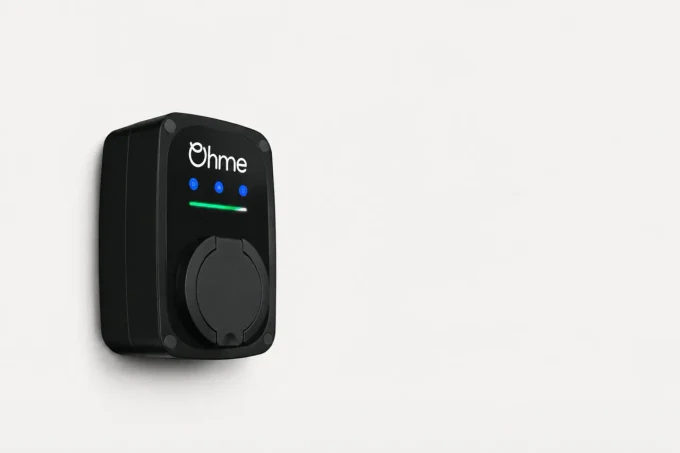
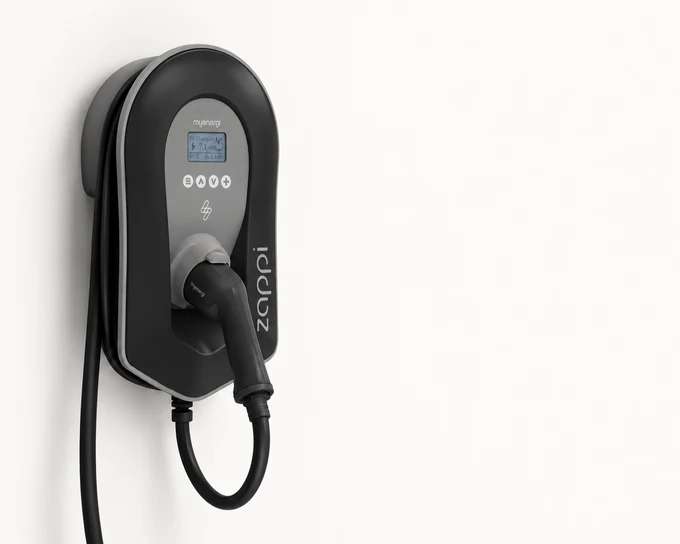
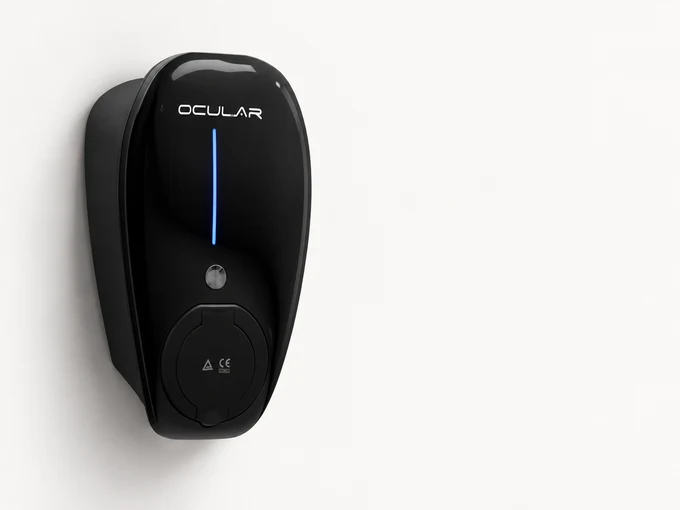
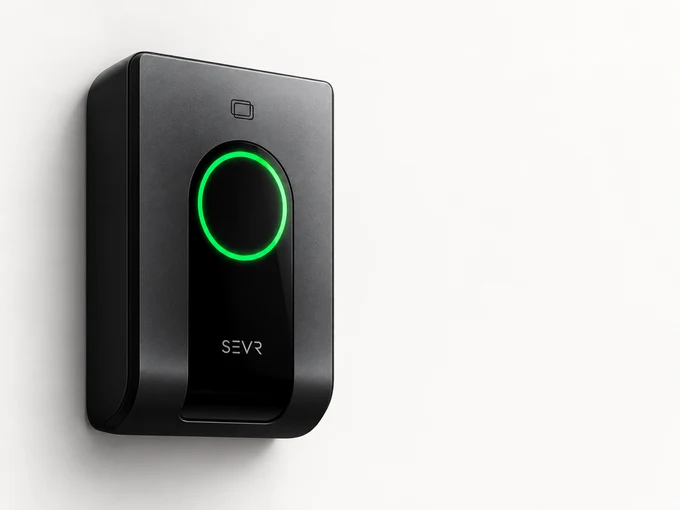
*Rated power is a maximum, not a guaranteed charging rate. Output depends on the vehicle’s onboard AC charger, electrical supply and configured circuit. Read each package for its installation scope.
Three things to check
The right charger starts with how you live.
01. When is your car home?
Daytime parking can make surplus-solar charging useful. Overnight charging places more emphasis on schedules and your electricity plan.
02. Where is the inlet?
Compare cable reach against how you actually park. A socketed charger offers separate cable choice; a tethered charger keeps the lead ready.
03. What can your supply support?
A higher-rated charger does not override the car or the property’s capacity. We assess the board and supply before confirming the design.
Designed around your property
A clear plan before the first cable.
Homes, strata parking and workplaces each need their own scope. We check the site before confirming the package.
01 / SHARE
Your car and parking space
Send your suburb, vehicle model, parking layout, charger preference and photos of the switchboard exterior.
02 / ASSESS
The supply and cable route
We check capacity, board space, access, cable distance and any solar, battery or strata requirements.
03 / INSTALL
Install, set up and test
Agree the scope before booking. The package includes testing and a compliance certificate with the installation.
Ready to plan your installation?
We can help narrow the range around your car and home.
EV charger installation across our Sydney service areas.
Based in Sydney’s East. Find local electrical service information for every suburb we cover in Randwick and Bayside. We confirm site suitability and availability with your enquiry.
Start with the vehicle’s AC charging limit, where you park, available supply and whether you want solar diversion. Compare the cable reach, socket type and connection method, then have the site assessed before selecting a package.
What is included in an Apexelec EV charger package?
Each package page lists its charger and installation inclusions. The standard allowance is up to 2 m of circuit cable, with the listed protection, isolator, setup or installation, testing and a compliance certificate. Site-specific extra work is confirmed in your quotation.
What is the difference between a tethered and socketed charger?
A tethered charger has a vehicle cable permanently attached. A socketed or untethered charger uses a separate lead. Our Ohme ePod, Ocular IQ Mini Socket and SEVR OPTI packages require a separate compatible vehicle cable.
Do I need three-phase power for home EV charging?
Most packages here are single-phase chargers in the 7–7.4 kW range. Higher three-phase output needs a suitable supply and a vehicle that can accept it. X22 is the dedicated three-phase package; zappi Multiphase supports separately assessed three-phase installations.
Can a home charger really deliver 22 kW to any EV?
No. The vehicle’s onboard AC charger, the circuit and available supply all limit the result. A car with an 11 kW AC limit will not accept 22 kW AC even if it supports much faster DC charging on a public rapid charger.
Which packages can use surplus solar power?
Evnex E2 Core, E2 Plus and X22 include solar smarts; E2 Flex has an upgrade path. Ohme, zappi and SEVR options need suitable monitoring and configuration. Read the model page to distinguish automatic surplus control from a simple daytime schedule.
What is the difference between charging cable and circuit cable?
The vehicle cable connects the charger to the car. Circuit cable is the fixed electrical run back to the board. A long attached charging lead does not increase the package’s up-to-2 m circuit cable allowance.
Can I get an EV charger installed in a strata parking bay?
Yes, we can assess strata enquiries. Include the authorised strata contact, bay location and any approval requirements. Shared supply capacity, metering and common-property cable routes need agreement before installation.
Can Apexelec install a charger I have already purchased?
Yes, installation-only enquiries are available. Send the exact model, mounting hardware details and manufacturer instructions so suitability and the required installation work can be checked.
What should I send to request an EV installation quote?
Send your suburb, vehicle model, parking location and proposed charger position. Photos of the switchboard exterior and intended cable route help, along with solar, battery or strata details. Do not remove electrical covers to take photos.
Let’s get your electrical work sorted.
Tell us about your property and the job. We’ll discuss the scope and next steps.